
SEO
SEO
SEO
SEO
SEO
SEO Results Take Time
SEO Results Take Time
SEO Results Take Time
SEO Results Take Time
SEO Results Take Time
//
//
//
//
//
author
author
author
author
author
Artur Kogut
Artur Kogut
Artur Kogut
Artur Kogut
//
//
//
//
//
Year
Year
Year
Year
Year
( 2025 )
( 2024 )
( 2024 )
( 2024 )
( 2024 )
Content
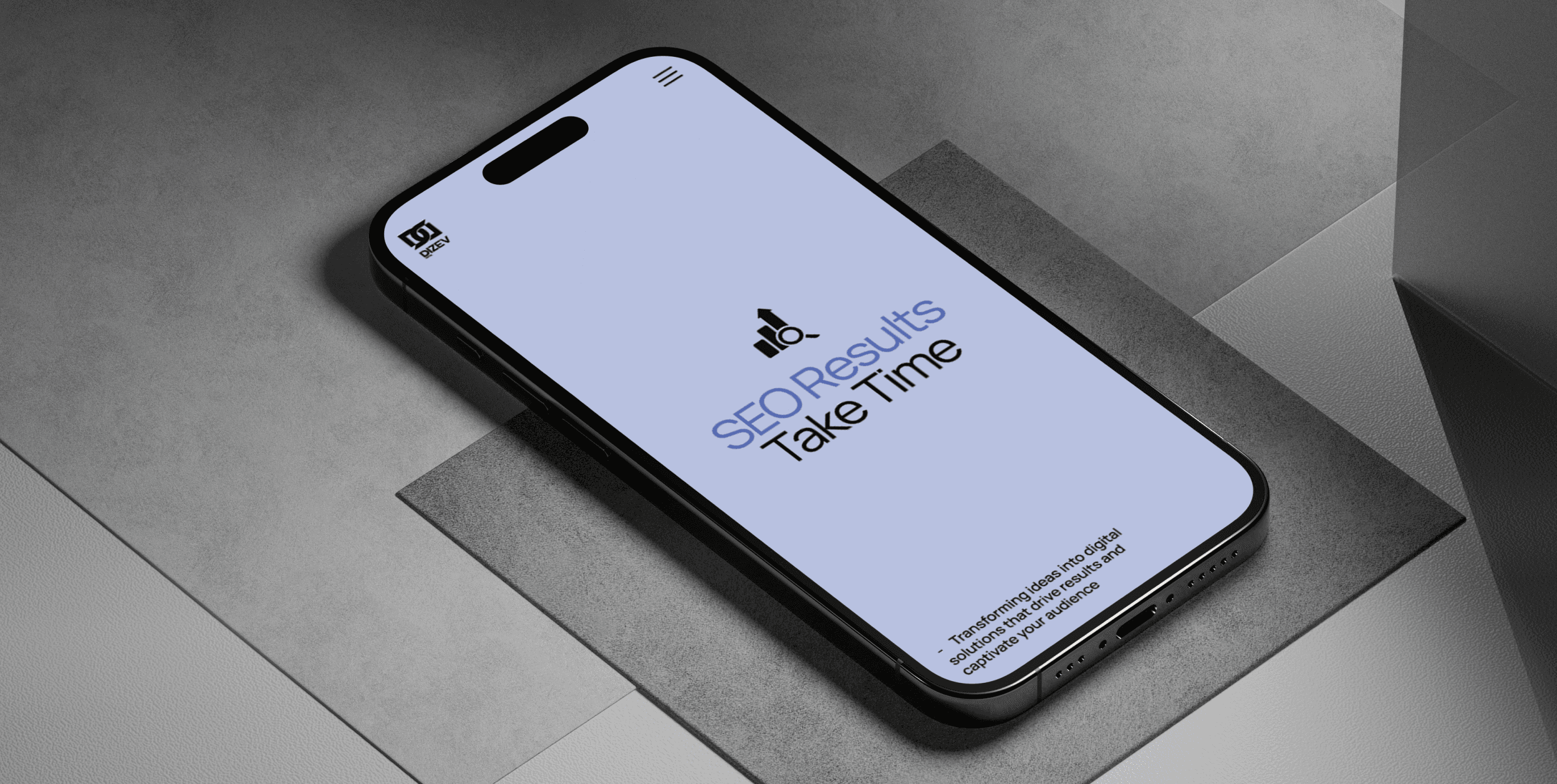
Why SEO Doesn’t Work in a Day: The Truth About Results, Patience, and Earning Google’s Trust SEO
It’s a dynamic, ever-changing field where we depend not only on our own strategy but also on Google’s algorithms, guidelines, and—crucially—our ability to adapt. Over the past six months, I’ve repeatedly faced situations where strategies had to be adjusted “on the go,” sometimes every month or even every week. Flexibility and quick response are what deliver results—without them, you can’t survive in this game.
Why doesn’t SEO deliver results immediately?
This is the question I hear most often from clients—and it’s a fair one. Many expect instant results: you optimize the site, and it jumps straight to the top. But SEO doesn’t work like a light switch. It’s not a one-time action; it’s a step-by-step process: technical foundation, keyword strategy, content, external mentions, and adaptation to algorithms. And the most important factor—time.
Google doesn’t trust a site instantly. It needs a period of observation: how the site changes, how stable the structure is, how users interact, and whether other sources mention it. A website’s reputation in search is the result of long-term, systematic work. That’s why I build every SEO project in stages.
When do the first results appear?
In my experience, the first signs of improved visibility appear around 3–4 months in—but that’s just the start. The real impact—growth in rankings, traffic, and search queries—takes shape over 5–6 months.
At this stage, I always review the initial strategy, analyze results, and adapt the plan to real data: what’s working best, which pages have the most potential, and where it’s worth investing the budget. This is where clients receive clear reports and a justified action plan—explaining why these steps matter right now.
Why create new content if everything is already written?
Here’s my perspective: most clients already have “Services” or “About Us” pages, but that’s not enough. Content isn’t just filler text—it’s about answering real people’s questions. Through blogs, analytical articles, and FAQs, I can significantly expand the site’s keyword reach and attract a new audience. Google notices when a site is regularly updated, engaged with, and contains clear answers to users’ specific questions. And it rewards that with greater visibility.
Can’t we just buy links and be done?
Links are an important part of SEO, and I always include them in the strategy—but only as part of a broader system. Without quality content, solid technical structure, and logical site architecture, even the most expensive links won’t work.
I focus on organic, gradual link profile growth. There’s no point in spending $2,000 on links in one month and then freezing activity. It’s far more effective to invest steadily each month, even with a smaller budget, but consistently. This looks natural—and delivers results.
What if we try to do everything in a month?
Imagine trying to complete a three-month training program in one day. You might survive—but the outcome? Muscle pain, frustration, zero progress. SEO works the same way.
Google values consistency, gradual progress, and quality—not quick sprints. Even when promotion moves slower, I always review budgets with clients to leave room for analysis and research. Sometimes it’s better to pause link buying and instead improve site structure or refine the keyword strategy.
It’s all part of the long game.
Google builds trust in a site the same way people build trust in brands—you can’t become “the top” overnight. You have to consistently prove quality, expertise, and stability. It’s especially challenging to outrank sites that have been around for 5–10 years—they hold their position simply due to age.
But that doesn’t mean a new site has no chance. It does—if you work the right way: gradually, strategically, with flexibility and analytics. That’s the approach I always take—and it’s what leads to results worth being proud of.
Why SEO Doesn’t Work in a Day: The Truth About Results, Patience, and Earning Google’s Trust SEO
It’s a dynamic, ever-changing field where we depend not only on our own strategy but also on Google’s algorithms, guidelines, and—crucially—our ability to adapt. Over the past six months, I’ve repeatedly faced situations where strategies had to be adjusted “on the go,” sometimes every month or even every week. Flexibility and quick response are what deliver results—without them, you can’t survive in this game.
Why doesn’t SEO deliver results immediately?
This is the question I hear most often from clients—and it’s a fair one. Many expect instant results: you optimize the site, and it jumps straight to the top. But SEO doesn’t work like a light switch. It’s not a one-time action; it’s a step-by-step process: technical foundation, keyword strategy, content, external mentions, and adaptation to algorithms. And the most important factor—time.
Google doesn’t trust a site instantly. It needs a period of observation: how the site changes, how stable the structure is, how users interact, and whether other sources mention it. A website’s reputation in search is the result of long-term, systematic work. That’s why I build every SEO project in stages.
When do the first results appear?
In my experience, the first signs of improved visibility appear around 3–4 months in—but that’s just the start. The real impact—growth in rankings, traffic, and search queries—takes shape over 5–6 months.
At this stage, I always review the initial strategy, analyze results, and adapt the plan to real data: what’s working best, which pages have the most potential, and where it’s worth investing the budget. This is where clients receive clear reports and a justified action plan—explaining why these steps matter right now.
Why create new content if everything is already written?
Here’s my perspective: most clients already have “Services” or “About Us” pages, but that’s not enough. Content isn’t just filler text—it’s about answering real people’s questions. Through blogs, analytical articles, and FAQs, I can significantly expand the site’s keyword reach and attract a new audience. Google notices when a site is regularly updated, engaged with, and contains clear answers to users’ specific questions. And it rewards that with greater visibility.
Can’t we just buy links and be done?
Links are an important part of SEO, and I always include them in the strategy—but only as part of a broader system. Without quality content, solid technical structure, and logical site architecture, even the most expensive links won’t work.
I focus on organic, gradual link profile growth. There’s no point in spending $2,000 on links in one month and then freezing activity. It’s far more effective to invest steadily each month, even with a smaller budget, but consistently. This looks natural—and delivers results.
What if we try to do everything in a month?
Imagine trying to complete a three-month training program in one day. You might survive—but the outcome? Muscle pain, frustration, zero progress. SEO works the same way.
Google values consistency, gradual progress, and quality—not quick sprints. Even when promotion moves slower, I always review budgets with clients to leave room for analysis and research. Sometimes it’s better to pause link buying and instead improve site structure or refine the keyword strategy.
It’s all part of the long game.
Google builds trust in a site the same way people build trust in brands—you can’t become “the top” overnight. You have to consistently prove quality, expertise, and stability. It’s especially challenging to outrank sites that have been around for 5–10 years—they hold their position simply due to age.
But that doesn’t mean a new site has no chance. It does—if you work the right way: gradually, strategically, with flexibility and analytics. That’s the approach I always take—and it’s what leads to results worth being proud of.
Why SEO Doesn’t Work in a Day: The Truth About Results, Patience, and Earning Google’s Trust SEO
It’s a dynamic, ever-changing field where we depend not only on our own strategy but also on Google’s algorithms, guidelines, and—crucially—our ability to adapt. Over the past six months, I’ve repeatedly faced situations where strategies had to be adjusted “on the go,” sometimes every month or even every week. Flexibility and quick response are what deliver results—without them, you can’t survive in this game.
Why doesn’t SEO deliver results immediately?
This is the question I hear most often from clients—and it’s a fair one. Many expect instant results: you optimize the site, and it jumps straight to the top. But SEO doesn’t work like a light switch. It’s not a one-time action; it’s a step-by-step process: technical foundation, keyword strategy, content, external mentions, and adaptation to algorithms. And the most important factor—time.
Google doesn’t trust a site instantly. It needs a period of observation: how the site changes, how stable the structure is, how users interact, and whether other sources mention it. A website’s reputation in search is the result of long-term, systematic work. That’s why I build every SEO project in stages.
When do the first results appear?
In my experience, the first signs of improved visibility appear around 3–4 months in—but that’s just the start. The real impact—growth in rankings, traffic, and search queries—takes shape over 5–6 months.
At this stage, I always review the initial strategy, analyze results, and adapt the plan to real data: what’s working best, which pages have the most potential, and where it’s worth investing the budget. This is where clients receive clear reports and a justified action plan—explaining why these steps matter right now.
Why create new content if everything is already written?
Here’s my perspective: most clients already have “Services” or “About Us” pages, but that’s not enough. Content isn’t just filler text—it’s about answering real people’s questions. Through blogs, analytical articles, and FAQs, I can significantly expand the site’s keyword reach and attract a new audience. Google notices when a site is regularly updated, engaged with, and contains clear answers to users’ specific questions. And it rewards that with greater visibility.
Can’t we just buy links and be done?
Links are an important part of SEO, and I always include them in the strategy—but only as part of a broader system. Without quality content, solid technical structure, and logical site architecture, even the most expensive links won’t work.
I focus on organic, gradual link profile growth. There’s no point in spending $2,000 on links in one month and then freezing activity. It’s far more effective to invest steadily each month, even with a smaller budget, but consistently. This looks natural—and delivers results.
What if we try to do everything in a month?
Imagine trying to complete a three-month training program in one day. You might survive—but the outcome? Muscle pain, frustration, zero progress. SEO works the same way.
Google values consistency, gradual progress, and quality—not quick sprints. Even when promotion moves slower, I always review budgets with clients to leave room for analysis and research. Sometimes it’s better to pause link buying and instead improve site structure or refine the keyword strategy.
It’s all part of the long game.
Google builds trust in a site the same way people build trust in brands—you can’t become “the top” overnight. You have to consistently prove quality, expertise, and stability. It’s especially challenging to outrank sites that have been around for 5–10 years—they hold their position simply due to age.
But that doesn’t mean a new site has no chance. It does—if you work the right way: gradually, strategically, with flexibility and analytics. That’s the approach I always take—and it’s what leads to results worth being proud of.
Why SEO Doesn’t Work in a Day: The Truth About Results, Patience, and Earning Google’s Trust SEO
It’s a dynamic, ever-changing field where we depend not only on our own strategy but also on Google’s algorithms, guidelines, and—crucially—our ability to adapt. Over the past six months, I’ve repeatedly faced situations where strategies had to be adjusted “on the go,” sometimes every month or even every week. Flexibility and quick response are what deliver results—without them, you can’t survive in this game.
Why doesn’t SEO deliver results immediately?
This is the question I hear most often from clients—and it’s a fair one. Many expect instant results: you optimize the site, and it jumps straight to the top. But SEO doesn’t work like a light switch. It’s not a one-time action; it’s a step-by-step process: technical foundation, keyword strategy, content, external mentions, and adaptation to algorithms. And the most important factor—time.
Google doesn’t trust a site instantly. It needs a period of observation: how the site changes, how stable the structure is, how users interact, and whether other sources mention it. A website’s reputation in search is the result of long-term, systematic work. That’s why I build every SEO project in stages.
When do the first results appear?
In my experience, the first signs of improved visibility appear around 3–4 months in—but that’s just the start. The real impact—growth in rankings, traffic, and search queries—takes shape over 5–6 months.
At this stage, I always review the initial strategy, analyze results, and adapt the plan to real data: what’s working best, which pages have the most potential, and where it’s worth investing the budget. This is where clients receive clear reports and a justified action plan—explaining why these steps matter right now.
Why create new content if everything is already written?
Here’s my perspective: most clients already have “Services” or “About Us” pages, but that’s not enough. Content isn’t just filler text—it’s about answering real people’s questions. Through blogs, analytical articles, and FAQs, I can significantly expand the site’s keyword reach and attract a new audience. Google notices when a site is regularly updated, engaged with, and contains clear answers to users’ specific questions. And it rewards that with greater visibility.
Can’t we just buy links and be done?
Links are an important part of SEO, and I always include them in the strategy—but only as part of a broader system. Without quality content, solid technical structure, and logical site architecture, even the most expensive links won’t work.
I focus on organic, gradual link profile growth. There’s no point in spending $2,000 on links in one month and then freezing activity. It’s far more effective to invest steadily each month, even with a smaller budget, but consistently. This looks natural—and delivers results.
What if we try to do everything in a month?
Imagine trying to complete a three-month training program in one day. You might survive—but the outcome? Muscle pain, frustration, zero progress. SEO works the same way.
Google values consistency, gradual progress, and quality—not quick sprints. Even when promotion moves slower, I always review budgets with clients to leave room for analysis and research. Sometimes it’s better to pause link buying and instead improve site structure or refine the keyword strategy.
It’s all part of the long game.
Google builds trust in a site the same way people build trust in brands—you can’t become “the top” overnight. You have to consistently prove quality, expertise, and stability. It’s especially challenging to outrank sites that have been around for 5–10 years—they hold their position simply due to age.
But that doesn’t mean a new site has no chance. It does—if you work the right way: gradually, strategically, with flexibility and analytics. That’s the approach I always take—and it’s what leads to results worth being proud of.
Why SEO Doesn’t Work in a Day: The Truth About Results, Patience, and Earning Google’s Trust SEO
It’s a dynamic, ever-changing field where we depend not only on our own strategy but also on Google’s algorithms, guidelines, and—crucially—our ability to adapt. Over the past six months, I’ve repeatedly faced situations where strategies had to be adjusted “on the go,” sometimes every month or even every week. Flexibility and quick response are what deliver results—without them, you can’t survive in this game.
Why doesn’t SEO deliver results immediately?
This is the question I hear most often from clients—and it’s a fair one. Many expect instant results: you optimize the site, and it jumps straight to the top. But SEO doesn’t work like a light switch. It’s not a one-time action; it’s a step-by-step process: technical foundation, keyword strategy, content, external mentions, and adaptation to algorithms. And the most important factor—time.
Google doesn’t trust a site instantly. It needs a period of observation: how the site changes, how stable the structure is, how users interact, and whether other sources mention it. A website’s reputation in search is the result of long-term, systematic work. That’s why I build every SEO project in stages.
When do the first results appear?
In my experience, the first signs of improved visibility appear around 3–4 months in—but that’s just the start. The real impact—growth in rankings, traffic, and search queries—takes shape over 5–6 months.
At this stage, I always review the initial strategy, analyze results, and adapt the plan to real data: what’s working best, which pages have the most potential, and where it’s worth investing the budget. This is where clients receive clear reports and a justified action plan—explaining why these steps matter right now.
Why create new content if everything is already written?
Here’s my perspective: most clients already have “Services” or “About Us” pages, but that’s not enough. Content isn’t just filler text—it’s about answering real people’s questions. Through blogs, analytical articles, and FAQs, I can significantly expand the site’s keyword reach and attract a new audience. Google notices when a site is regularly updated, engaged with, and contains clear answers to users’ specific questions. And it rewards that with greater visibility.
Can’t we just buy links and be done?
Links are an important part of SEO, and I always include them in the strategy—but only as part of a broader system. Without quality content, solid technical structure, and logical site architecture, even the most expensive links won’t work.
I focus on organic, gradual link profile growth. There’s no point in spending $2,000 on links in one month and then freezing activity. It’s far more effective to invest steadily each month, even with a smaller budget, but consistently. This looks natural—and delivers results.
What if we try to do everything in a month?
Imagine trying to complete a three-month training program in one day. You might survive—but the outcome? Muscle pain, frustration, zero progress. SEO works the same way.
Google values consistency, gradual progress, and quality—not quick sprints. Even when promotion moves slower, I always review budgets with clients to leave room for analysis and research. Sometimes it’s better to pause link buying and instead improve site structure or refine the keyword strategy.
It’s all part of the long game.
Google builds trust in a site the same way people build trust in brands—you can’t become “the top” overnight. You have to consistently prove quality, expertise, and stability. It’s especially challenging to outrank sites that have been around for 5–10 years—they hold their position simply due to age.
But that doesn’t mean a new site has no chance. It does—if you work the right way: gradually, strategically, with flexibility and analytics. That’s the approach I always take—and it’s what leads to results worth being proud of.
//
//
//
//
//
Blog
Blog
Blog
Blog
Blog
Read also other
latest articles
Read also other
latest articles
Websites Boost Business
Websites Boost Business
Websites Boost Business
Websites Boost Business
( 2023 )
( 2024 )
Brainstorming That Works
Brainstorming That Works
Brainstorming That Works
Brainstorming That Works
( 2024 )
( 2024 )
Brainstorming That Works
( 2024 )
Please tell me about your project
Please tell me about your project
Please tell me about your project
Please tell me about your project
Free consultation with an expert. Choose a convenient time or send message in Telegram or WhatsApp and I will contact you!
Free consultation with an expert. Choose a convenient time or send message in Telegram or WhatsApp and I will contact you!
Free consultation with an expert. Choose a convenient time or send message in Telegram or WhatsApp and I will contact you!
Free consultation with an expert. Choose a convenient time or send message in Telegram or WhatsApp and I will contact you!
Please tell me about your project
Free consultation with an expert. Choose a convenient time or send message in Telegram or WhatsApp and I will contact you!
//
get in touch
©2025 Copyright

//
get in touch
©2025 Copyright
//
get in touch
©2025 Copyright
//
get in touch
©2025 Copyright